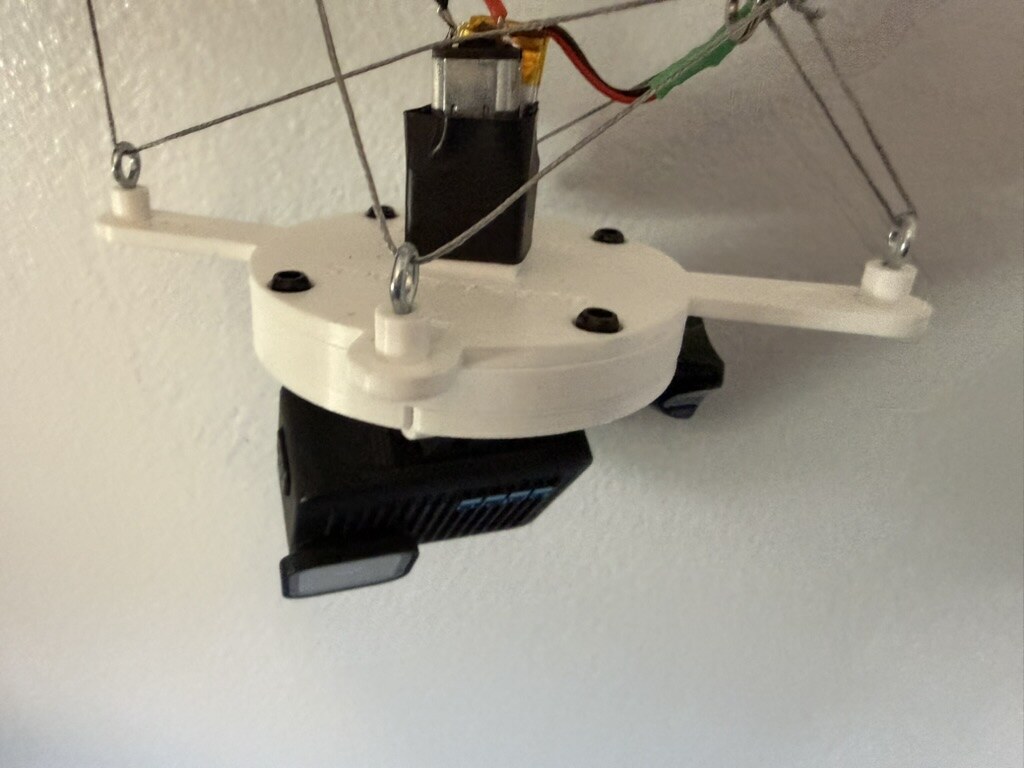
Motorized Picavet
Motorized leveling mount
My self-designed Picavet adds powered yaw while the crossed suspension keeps the camera platform level beneath the kite line.
View the model files ↗A working collection of kites, cameras, line, and home-built parts. This is what I am actually experimenting with, not a claim that it is the only or best way to do KAP.
Kite aerial photography is a wonderfully hands-on mix of wind, rigging, lightweight cameras, and improvised problem solving. I will keep adding field notes as I learn what each piece does well.
Free 3D-printable designs on MakerWorld.
My self-designed Picavet adds powered yaw while the crossed suspension keeps the camera platform level beneath the kite line.
View the model files ↗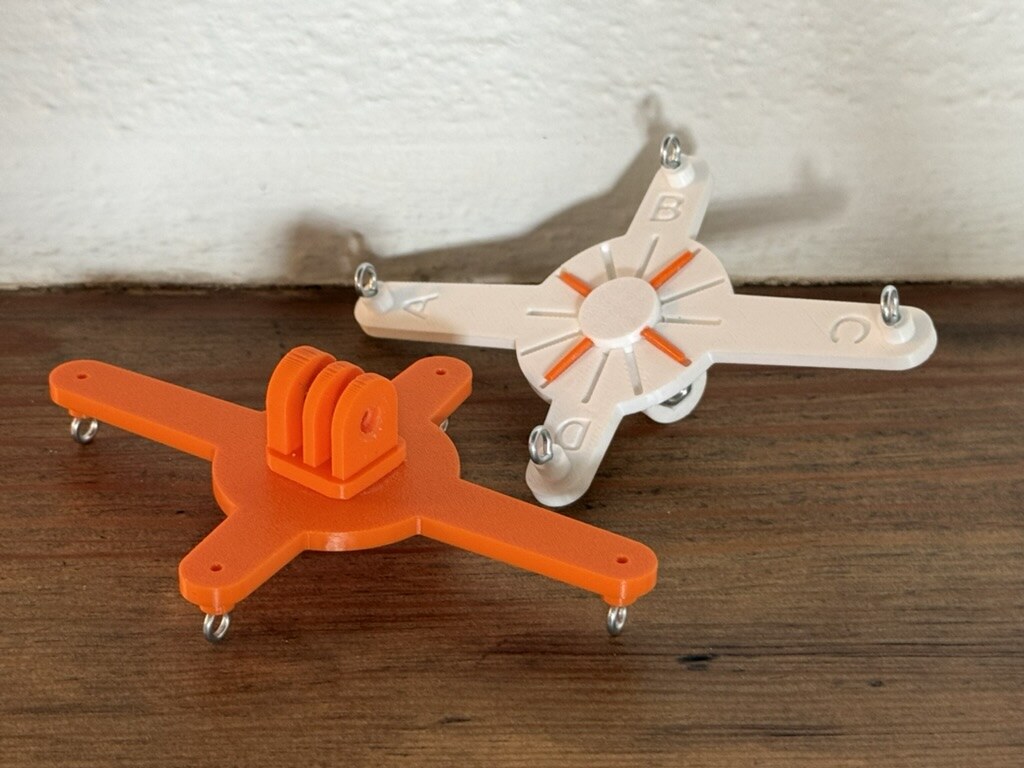
A simpler, manually aimed version of my Picavet design. It is lightweight, dependable, and useful as both a primary and backup rig.
View the model files ↗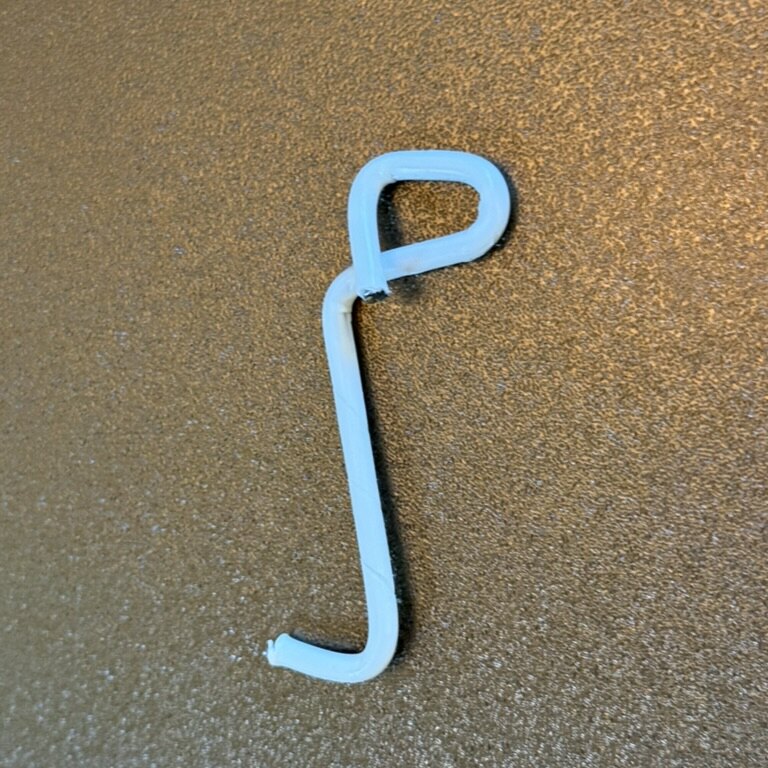
A line tree provides a simple way to suspend a Picavet or another item from a taut kite line. I wrap the kite line several times around the long leg, then attach the suspended item to the ring. Friction holds the line tree in place. This is much easier than repeatedly wrapping and unwrapping the line through the gate of a carabiner while the line is under load.
Different wind calls for different lifting power.
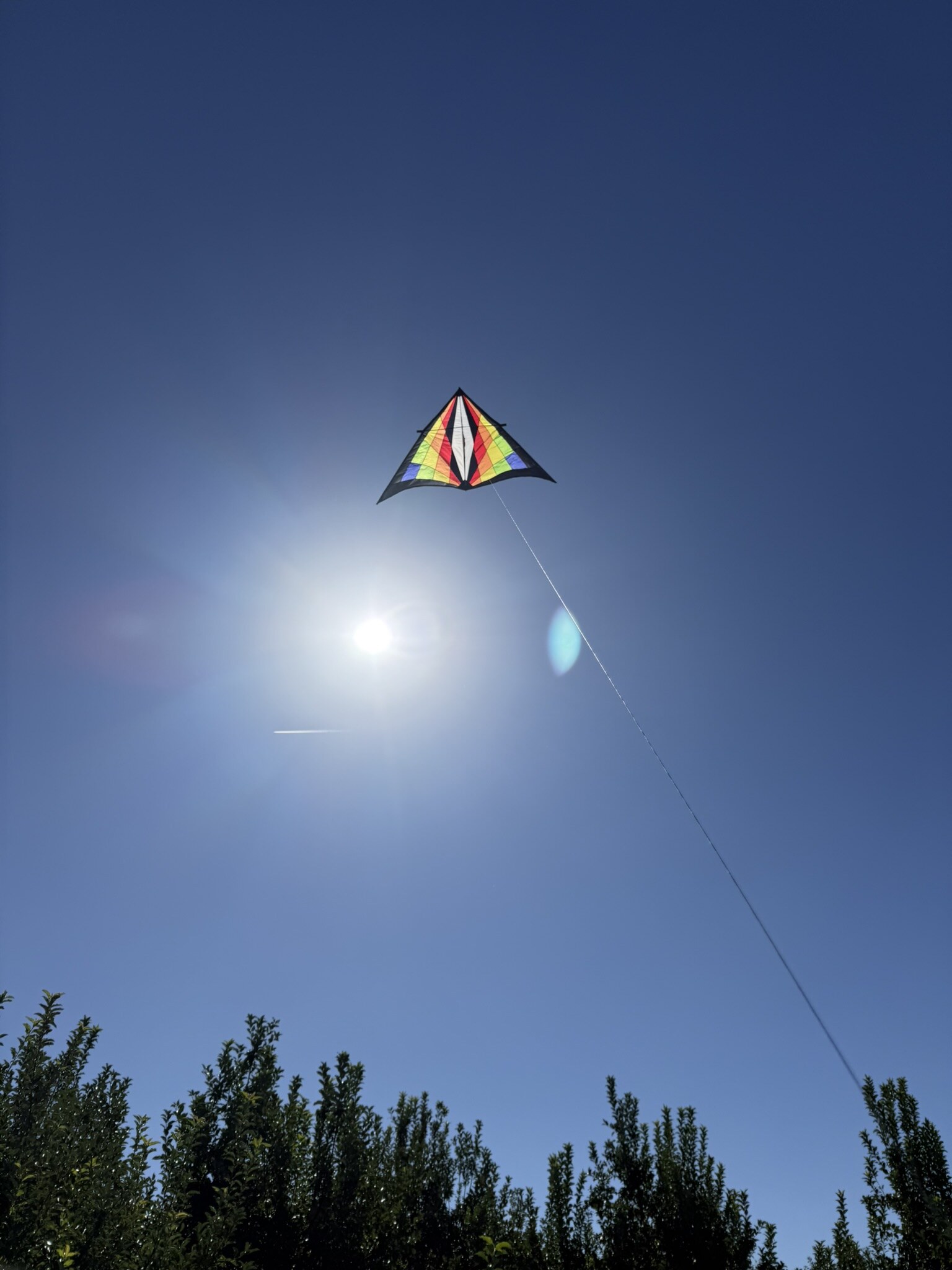
A large delta for steady lifting and easy setup when the wind suits it.
View at Premier Kites ↗A compact, sparless rainbow parafoil that packs easily and gives me another option for field conditions.
View at Premier Kites ↗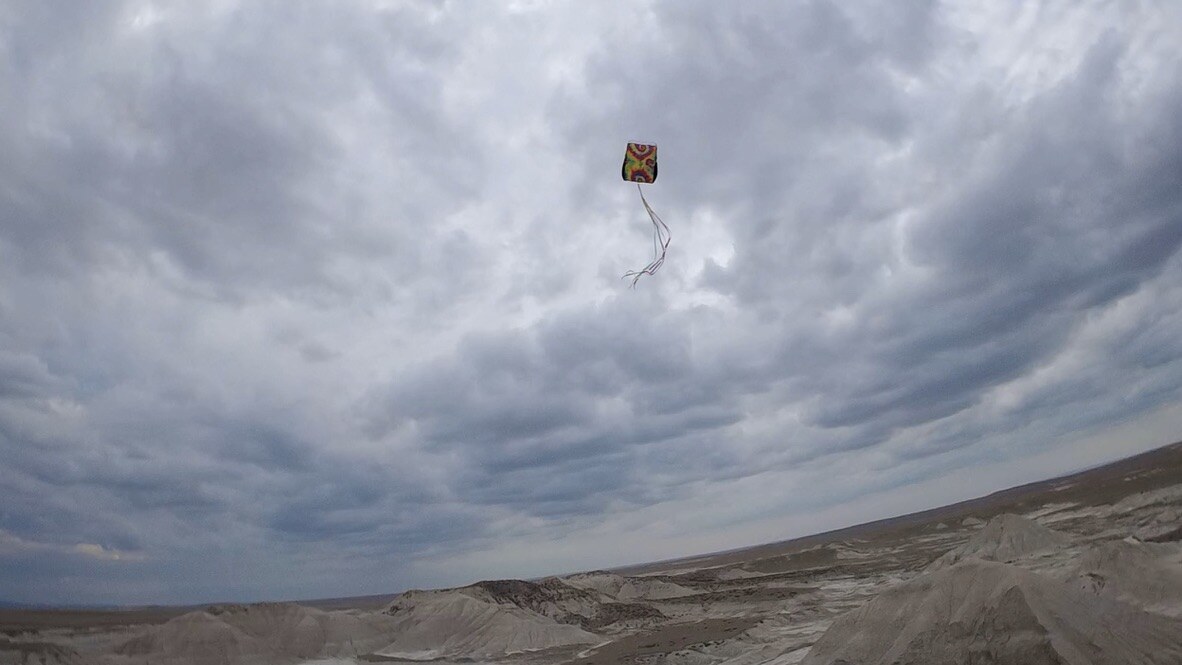
The larger parafoil adds lifting area when I need more pull for the camera rig.
View at Premier Kites ↗Small cameras keep the airborne system light.
A very small 4K action camera with interval-photo capability. Its low weight makes it especially attractive for kite lifting.
View on Amazon ↗A compact waterproof action camera that is great for lightweight 4K video. This entry-level HERO does not support timed still photography, so I use it as a video camera rather than for interval KAP photos.
View on Amazon ↗I use 100-pound or 120-pound Dyneema because of its excellent strength and low-stretch properties. Under load, thin Dyneema can be dangerous to handle, so gloves are recommended to help prevent cuts. It is also very slippery, which means some traditional knots will not hold and line connections need to be chosen carefully.
View the linked item ↗